
SA has the highest electricity prices in Australia, so every kWh you store and use yourself is worth more here than almost anywhere else.
That helps, but the state battery scheme is gone, so the honest 2026 maths is more nuanced than the ads suggest. Here's when a battery pays off in South Australia.
At a glance
Quick answer: a battery makes more sense in South Australia than in most states, because SA has the highest electricity prices in the country (often over 40c/kWh), so the power you store and use yourself is worth a lot. But SA's Home Battery Scheme closed in 2022, so it's now federal-only (around $2,520 off a 10 kWh battery), and simple payback still lands around 10 years. It's worth it if your evening use is high and you're sick of paying peak rates after dark; less so if your evenings are quiet.
The honest maths
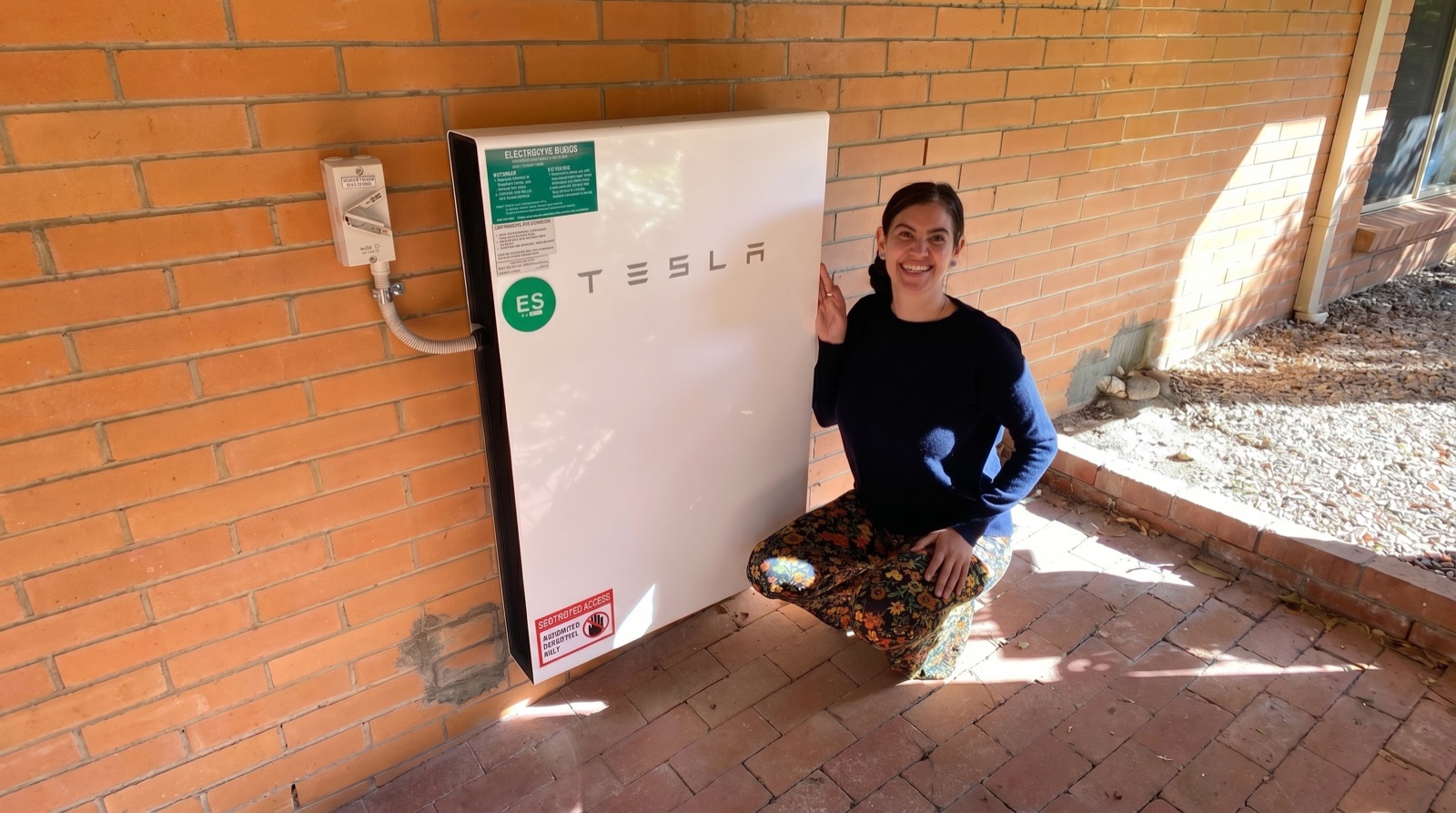
A 10 kWh battery in South Australia costs roughly $9,000 to $13,000 before rebate. The federal Cheaper Home Batteries rebate takes about $2,520 off (roughly $252 per usable kWh in 2026). There's no SA state top-up any more, so that federal discount is all you get up front.
What tips SA in a battery's favour is the price you avoid. When you're paying 40c or more to buy power at night, storing your own daytime solar instead is worth far more than in a cheaper state. Even so, with the state rebate gone, simple payback still comes in around 10 years. That's better than Victoria, but it's not the two-to-three-year story some ads imply.
Why South Australia's high prices help
SA regularly has the highest retail electricity prices in the nation. That single fact is why a battery works better here: the value of a battery is the gap between what you'd pay to buy power at night and what you'd earn exporting it by day.
With SA export rates around 5 to 6c and peak usage rates over 40c, that gap is wide. Every kWh a battery lets you self-consume instead of buying back saves you the full peak rate. The higher your prices climb, the faster the battery pays for itself, which is why SA households get more from storage than most.
When a battery is worth it in South Australia
You use a lot of power after dark and pay peak rates. This is the SA sweet spot. High prices plus high evening use is exactly what a battery is built to cut.
You want protection from price shocks. SA's grid is volatile and prices have only trended up. A battery hedges you against the next round of increases in a way exporting cheap solar never will.
You want backup. A battery with backup wiring keeps essentials running through outages, which SA gets its share of. That value never shows up in a payback figure but is real on the night.
When to hold off
Your evenings are quiet. If your panels already cover most of your daytime use and you don't use much after dark, a battery mostly sits idle. Add panels before storage.
Budget is tight. Solar-only pays back in about three to four years in sunny SA, faster than almost anywhere. If cash is the deciding factor, get the panels now, bank the savings, and add a battery later. The federal rebate applies to retrofits, so waiting on the battery doesn't cost you the discount.
Frequently asked questions

Steve Hill
Steve Hill is a renewable-energy executive with a deep background in Australian solar and energy efficiency, spanning consulting, project management and business development. He founded Elite Smart Energy Solutions, a Clean Energy Council Approved Retailer focused on smarter, lower-cost energy for homes and businesses. Steve contributes to Energy Matters, one of Australia's longest-running solar publications, and has appeared on its Road to Zero podcast. He helps Australian homeowners cut through the noise on rebates, batteries and going solar.