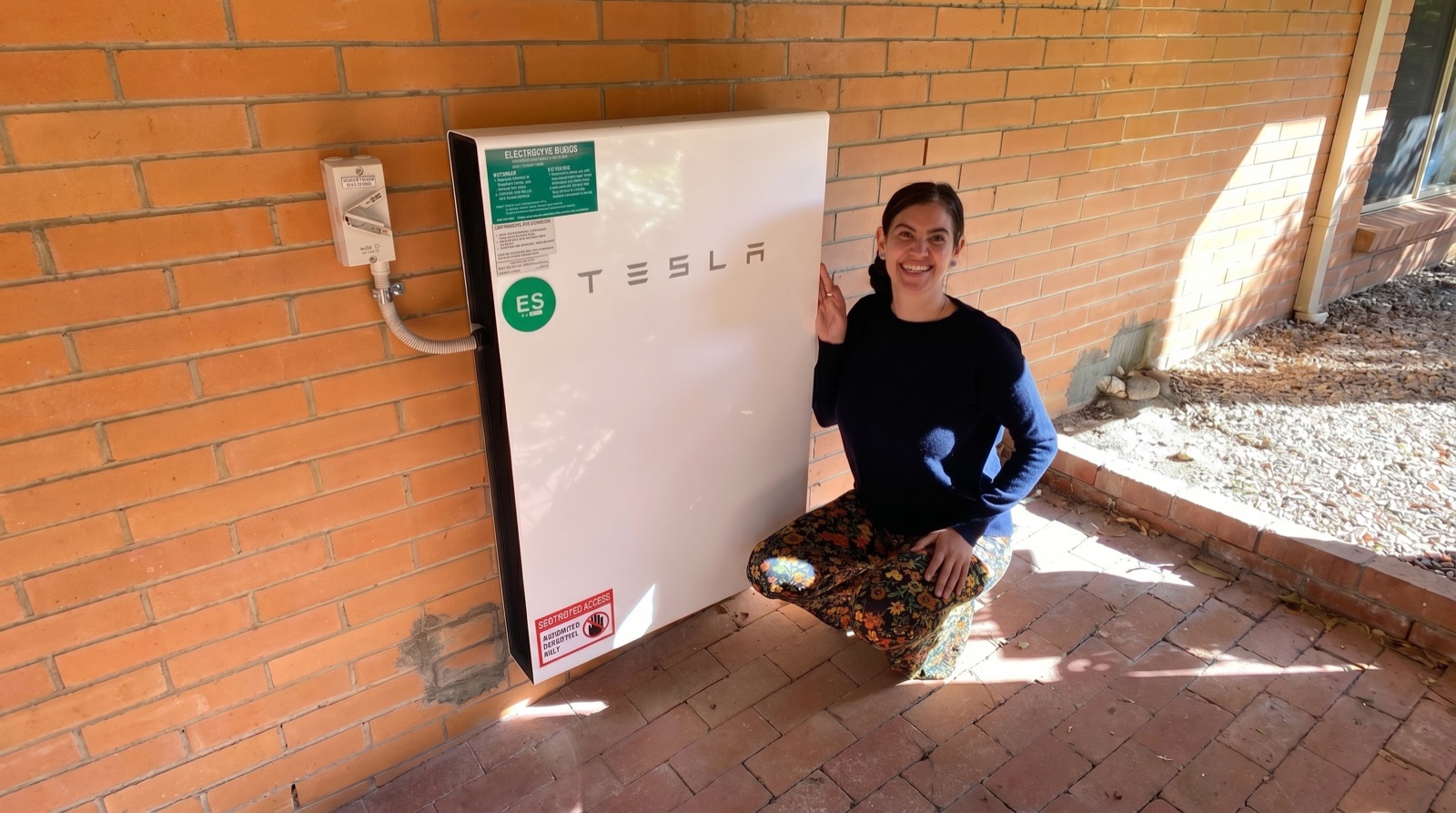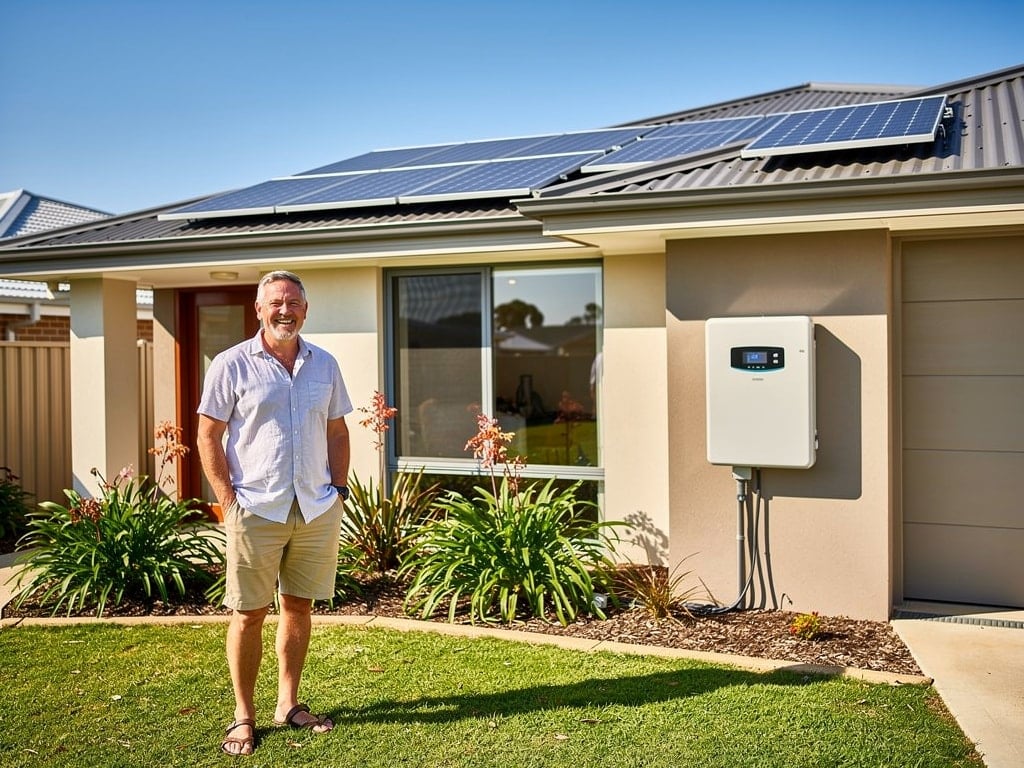

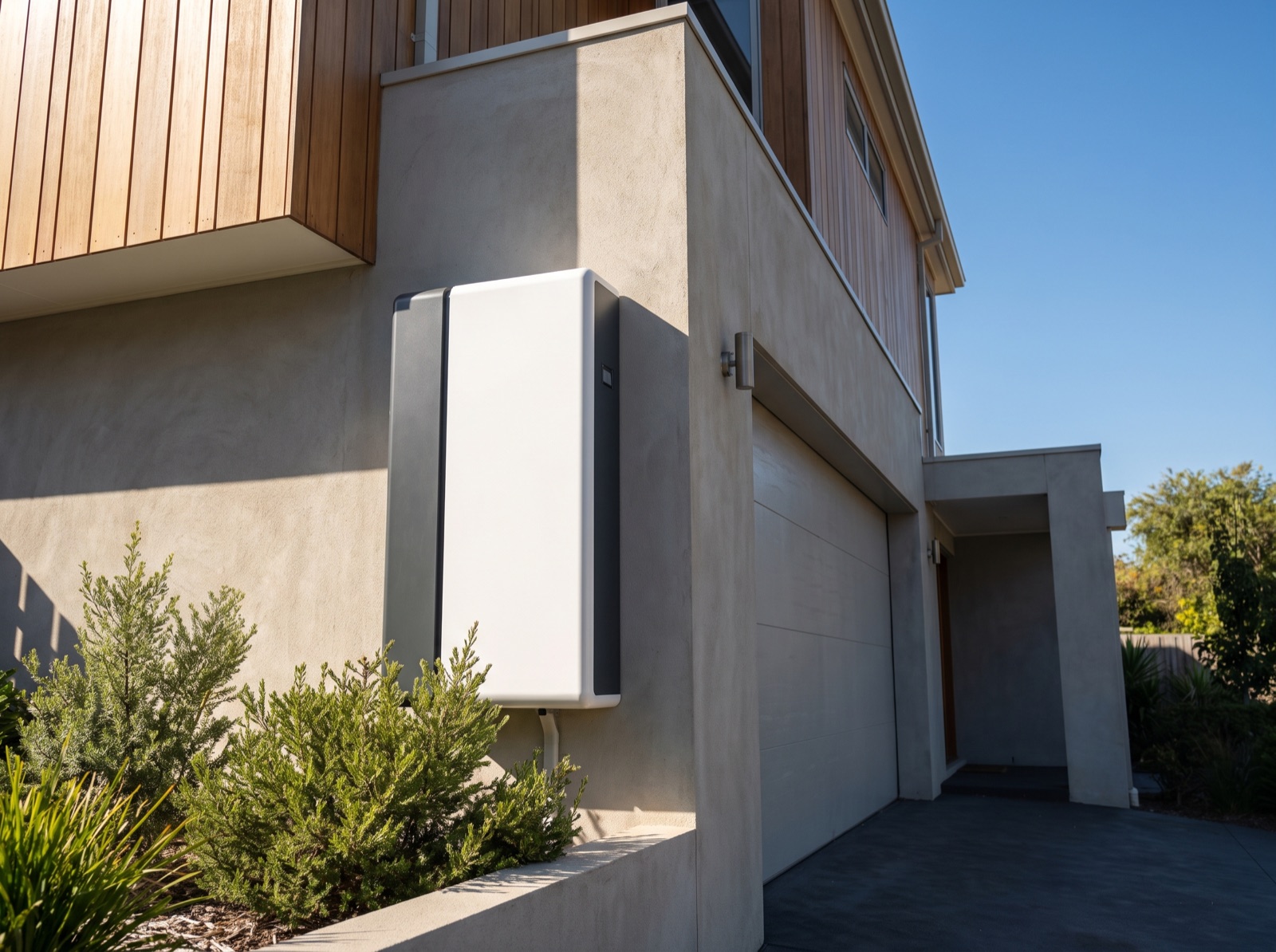
Five brands cover most home battery installs in Australia in 2026: Tesla Powerwall, Sigenergy, BYD, Sungrow and Enphase.
They're closer than the marketing suggests. All are VPP-capable, all carry long warranties, and all qualify for the federal rebate. Here's how they actually compare, and how to pick the one that fits your home rather than the one with the loudest ad.
At a glance
Quick answer: the most popular home batteries in Australia in 2026 are the Tesla Powerwall 3 (13.5 kWh), Sigenergy SigenStor, BYD Battery-Box, Sungrow SBR and Enphase IQ Battery, all VPP-capable and carrying 10 to 15-year warranties. Installed prices run from about $4,500 for a small 5 kWh unit to $17,000+ for larger stacks, before the federal Cheaper Home Batteries rebate takes around $2,500 off a 10 kWh system. The best one for you comes down to the capacity your evenings need, your inverter and your budget, not the badge.
The brands compared
Indicative installed prices, before the federal rebate. Usable capacity is what you can actually draw. Batteries move on price often, so treat these as a 2026 guide and confirm with a quote.
The Powerwall 3 is a fixed 13.5 kWh all-in-one that suits most family homes. Sigenergy, BYD and Sungrow are modular, so you stack capacity to fit your usage and add more later. Enphase is the most granular, one 5 kWh unit at a time, with the longest warranty.
How to choose the right one
Start with capacity, not brand. Work out how much power you use after dark. Most homes need 10 to 14 kWh of usable storage to run the evening and overnight off stored solar. Charge an EV, run a pool or use more than 25 kWh a day and you'll want to size up.
Match it to your inverter. Some batteries are all-in-one (Powerwall 3, Sigenergy include a hybrid inverter); others need a compatible hybrid inverter you may already have. This is the single biggest thing that decides which brands are even an option for your home.
Weigh warranty and cycles. Ten years is standard, and Enphase's 15 years is the outlier. Look at the guaranteed capacity retention (usually around 70% at end of warranty), not just the headline years.
Confirm it's VPP-capable. All the brands above are, which matters because the federal Cheaper Home Batteries rebate requires a VPP-capable battery, even if you never join a VPP.
The federal rebate applies to all of them
Every battery in this comparison qualifies for the federal Cheaper Home Batteries rebate, which takes around $2,500 off a 10 kWh battery in 2026 as an upfront discount at install. The rebate is paid per usable kWh and tapers on batteries above 14 kWh, and it steps down again on 1 January 2027, so the amount is the highest it will be today.
Frequently asked questions

Steve Hill
Steve Hill is a renewable-energy executive with a deep background in Australian solar and energy efficiency, spanning consulting, project management and business development. He founded Elite Smart Energy Solutions, a Clean Energy Council Approved Retailer focused on smarter, lower-cost energy for homes and businesses. Steve contributes to Energy Matters, one of Australia's longest-running solar publications, and has appeared on its Road to Zero podcast. He helps Australian homeowners cut through the noise on rebates, batteries and going solar.