
Solar in Sydney, and up to $5,500 in 2026 rebates
Check what you'd save and who to trust, in about 30 seconds.
Sydney gets plenty of sun, and the 2026 federal rebate now covers a big chunk of a solar and battery install. Most homeowners never find out their actual number, so they keep paying their retailer instead. Put in your postcode and we'll show you what you qualify for, then match you with vetted local installers. No calls until you ask.
30-sec · Free · No obligation
What homeowners say about us
4.9★★★★★from 29,000+ Australians helped“They explained the different government incentives and potential savings in a way that was easy to understand.”
“An easy process to fill out online, and it helped me find out quickly which rebates I qualified for. The service guys had great knowledge. The experience was seamless.”
“Excellent product and service, would recommend them.”
“Thank you for your wonderful and helpful service, great product.”
“Really happy with the service, love the product.”
Local snapshot
Solar in Sydney, by the numbers
Sydney is Australia's largest single residential solar market. The Zone 3 STC rating and ~4.5 peak sun hours per day mean a 6.6kW system typically pays back in just over three years, before NSW's Empowering Homes scheme (interest-free loan up to $2,400 toward a battery) gets stacked on top. Where Sydney households most often leave money on the table: older terrace and apartment roofs with orientation, shading or strata-approval issues that quietly cut ROI by 20-30%. We pre-check eligibility against your postcode, roof aspect and current retail plan before connecting you with vetted CEC-accredited installers, most are within 30km of the CBD. With retailer FiTs now spanning 5-10c/kWh in 2026 (GloBird and Alinta both lead at 10c), self-consumption matters more than export, which makes battery sizing the biggest single lever on lifetime savings.
Local numbers
What the rebate looks like in Sydney
Worked out from the Clean Energy Regulator's own postcode data, so you can check it before anyone quotes you.
Source: Solar Incentives rebate methodology, updated 15 May 2026.
Source: CER postcode zone table, checked 24 September 2026.
Worked out as kW × zone rating × deeming years, rounded down. Source: CER, checked 24 September 2026.
Source: CER small-scale installation postcode data, all years, as at 31 August 2026. Recent months are still being reported.
How It Works
How a solar system works
Sunlight in, power out.
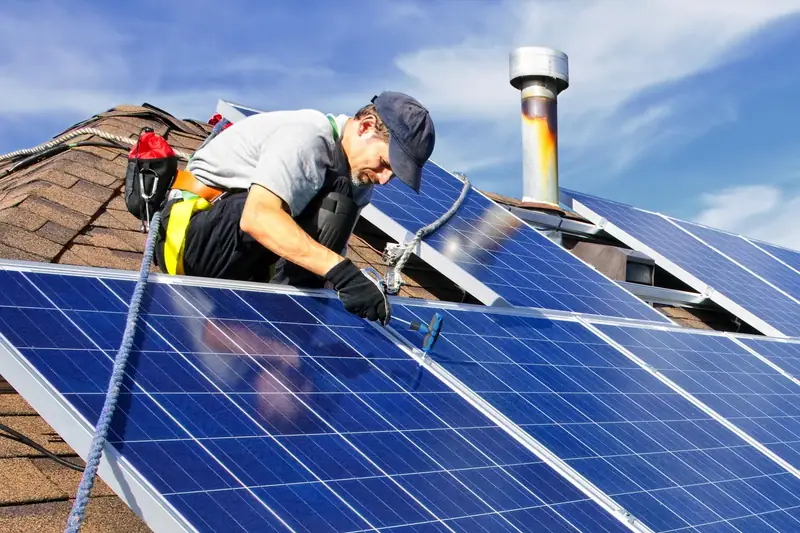
Panels on the roof turn sunlight into electricity, an inverter makes it usable in your home, and a meter tracks what you send back to the grid. Sydney's sunny climate means the panels earn their keep, and the 2026 rebates take a solid chunk off the upfront cost.
Investment
What it costs, and what it saves
The upfront cost pays itself back.
The upfront cost is real, but it comes back. You save on every bill, and you earn a feed-in credit for the power you export to the grid. Add the 2026 rebates and the payback usually lands in a few years, not decades.
Process
How the install happens
Getting solar on your Sydney roof takes three steps.

Step 01
Assessment
We size the right system for your roof, your usage, and your budget.

Step 02
Installation
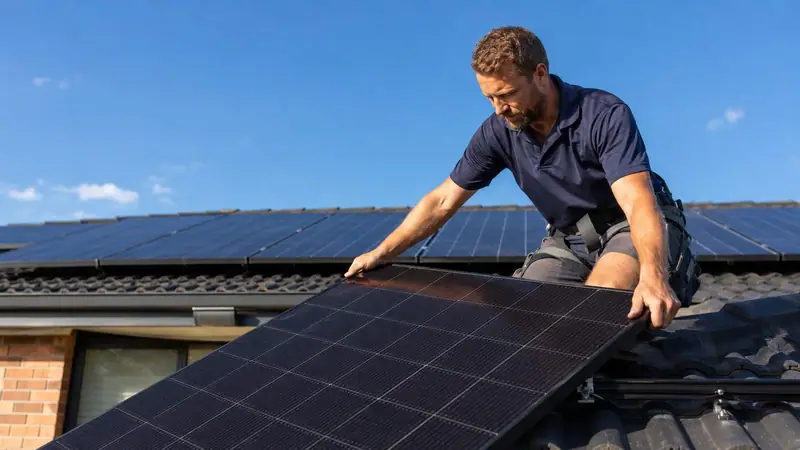
A vetted local installer fits the system, safely and to schedule.

Step 03
See the savings
The panels switch on and your next power bill starts shrinking.
Incentives
Government Incentives and Policies
The rebates do a lot of the heavy lifting.
Sydney homeowners can stack the 2026 federal rebate on top of any state support that applies, which knocks a big chunk off the upfront price. We work out exactly what you're eligible for.
30-sec · Free · No obligation
FAQ
Solar Sydney FAQs
How much is the solar rebate worth in Sydney in 2026?
Sydney (postcode 2000) is in STC Zone 3, rating 1.382. A 6.6 kW system installed there in 2026 creates 45 small-scale technology certificates (STCs), and your installer takes their value off the quote. The dollar amount moves with the certificate price on the day, so your free check works it out for your address.
What changes for Sydney on 1 January 2027?
The STC deeming period drops by a year, so the same 6.6 kW system in 2000 creates 36 certificates instead of 45. The federal battery discount steps down on the same day. If you're comparing quotes, it's worth knowing which side of that date your install lands on.
Is there a New South Wales rebate on top of the federal one?
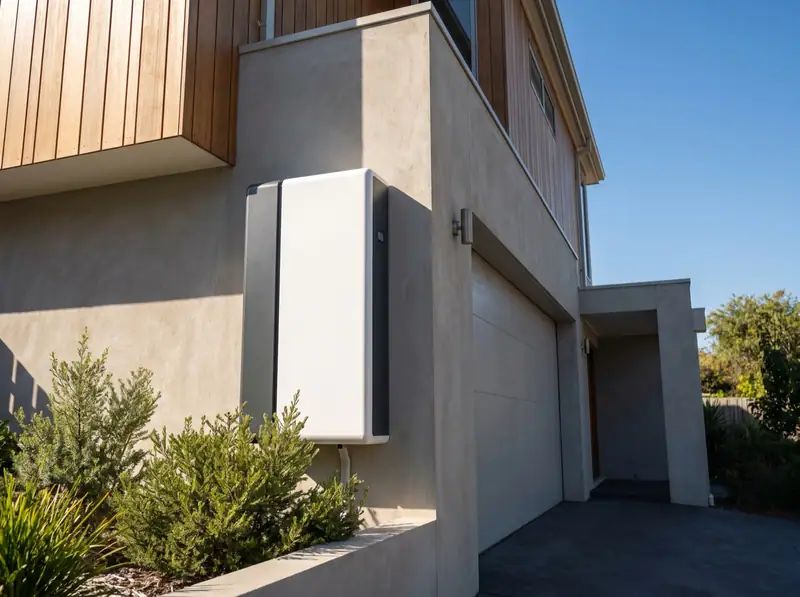
New South Wales closed its PDRS battery install rebate on 1 July 2025 when the federal program took over the upfront discount. What NSW still adds is a VPP connection incentive worth up to around $1,500 for joining a Virtual Power Plant, on top of the federal rebate. The amount varies by battery size and provider.
How many homes in Sydney already have solar?
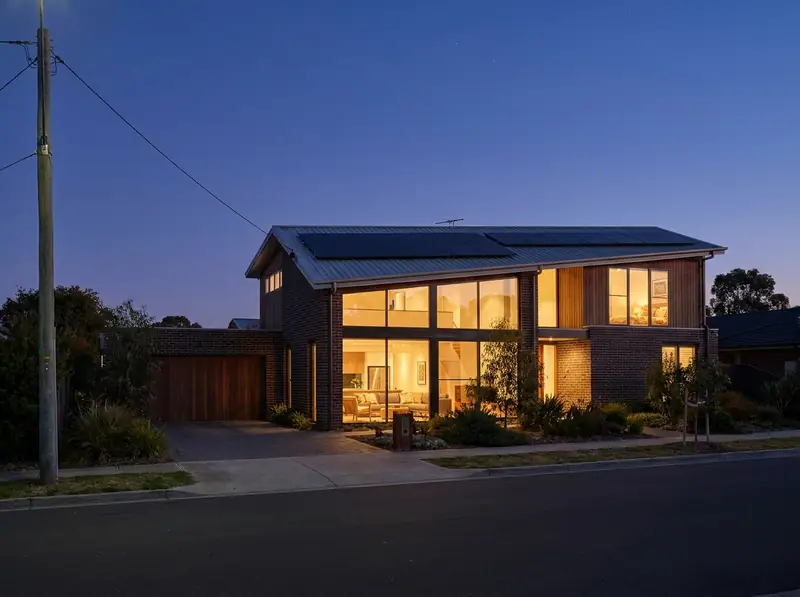
The Clean Energy Regulator has recorded 26,593 rooftop solar systems and 4,072 home batteries in 2000, 2150, 2170, 2200 and 2250, across all years, as at 31 August 2026. Recent months are still being reported, so the real number is a little higher.
What feed-in tariff can Sydney homes get?
The export rates we track for Sydney: GloBird Energy at 10c/kWh; Alinta Energy at 10c/kWh; Sumo at 8.8c/kWh. Rates are set per plan and change, so check yours before you size a system.
Before you buy